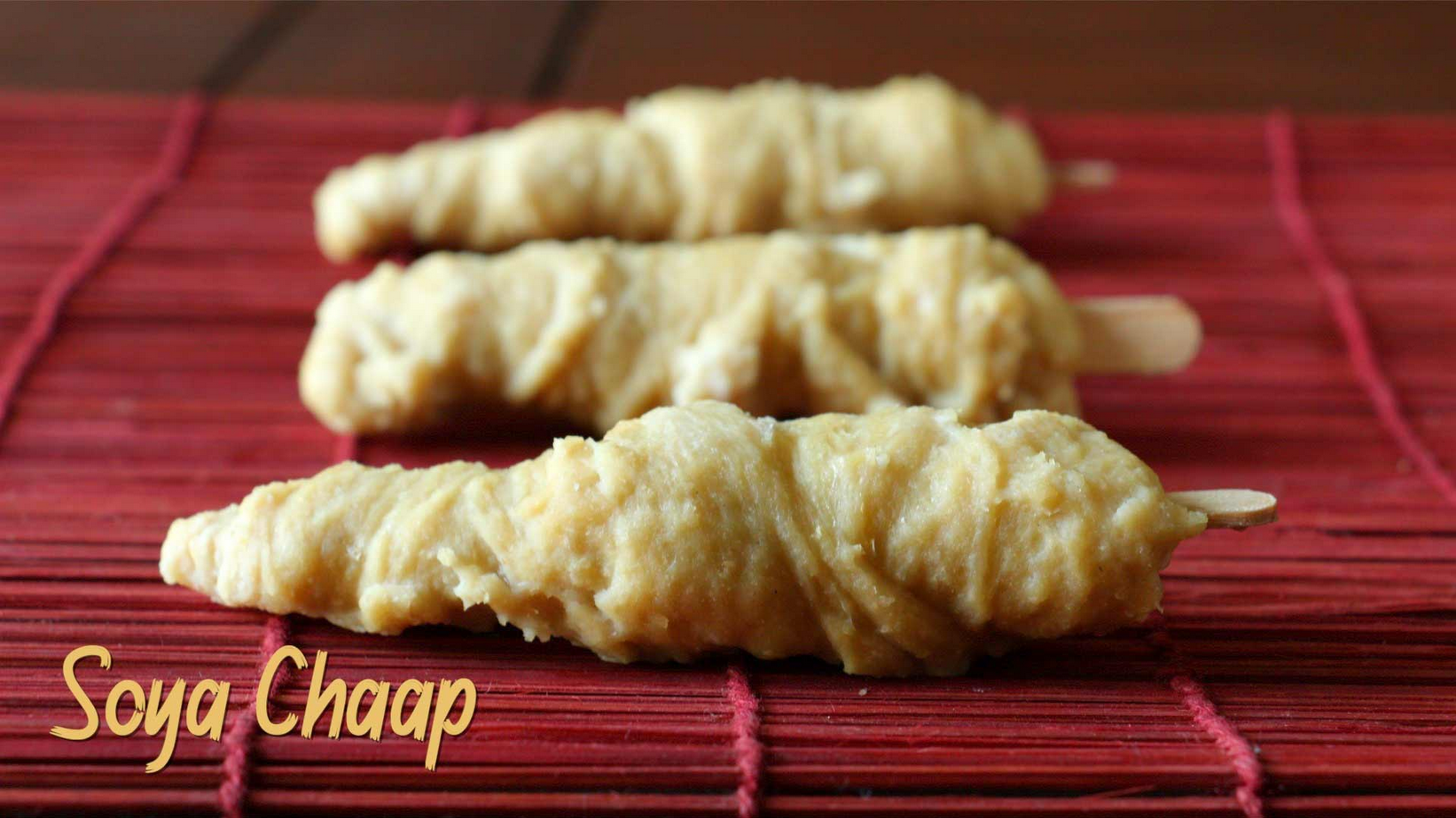
Soy, often paired with paneer, is recognized as an excellent protein source for individuals following a vegetarian diet. For those who enjoy a spicy kick in their meals, soya chaap is a popular choice. However, it’s essential to be mindful of the fact that frequent consumption of soya chaap, typically made from soybeans, soya chunks, all-purpose flour, or wheat flour, may not be conducive to long-term health.

In an Instagram post, the writer likened paneer and soya to the protein richness of chicken breast for non-vegetarians. Despite the perception that soya chaap is a super healthy, high-protein meal, she revealed that the reality involves using 60% soya flour and 40% maida (all-purpose flour), seasoned with salt and water. The preparation method includes stretching the maida to form the raw soya chaap.
Highlighting the potential drawbacks, the post emphasized that regular consumption of maida poses risks such as weight gain, obesity, type 2 diabetes, insulin resistance, and elevated cholesterol levels.
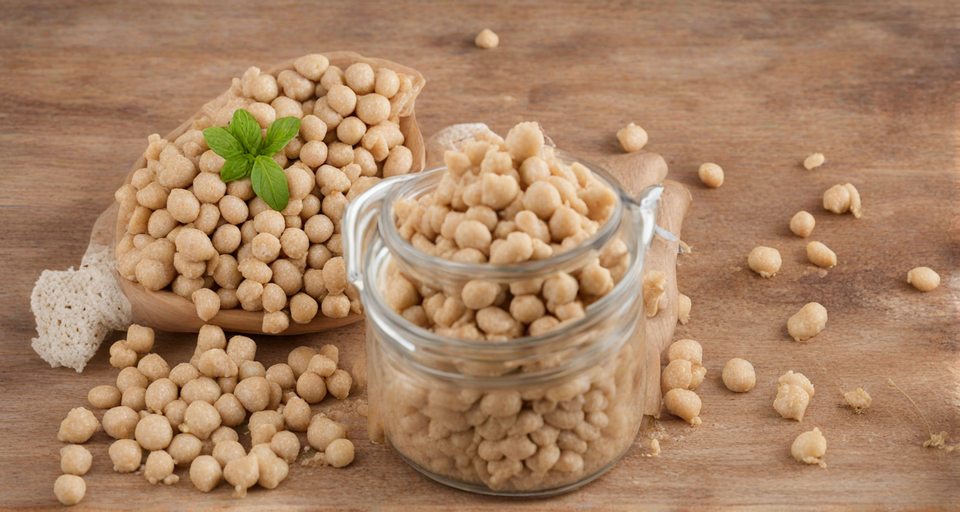
Seeking alternatives, the writer suggested opting for soya granules and soya chunks as healthier options. Soya chunks, in particular, are believed to contribute to lowering cholesterol, preventing heart diseases, and aiding in weight loss.
Dr. Jinal Patel, a dietitian from Apollo Spectra Hospital in Mumbai, pointed out that the cooking process and ingredients used play a crucial role. She recommended incorporating soya chunks into dishes like pulao, grilled soya chunks in salads, or using them in sandwiches to enhance protein intake. Dr. Patel emphasized the importance for vegetarians to diversify protein sources to enhance the nutritive value of their meals.
