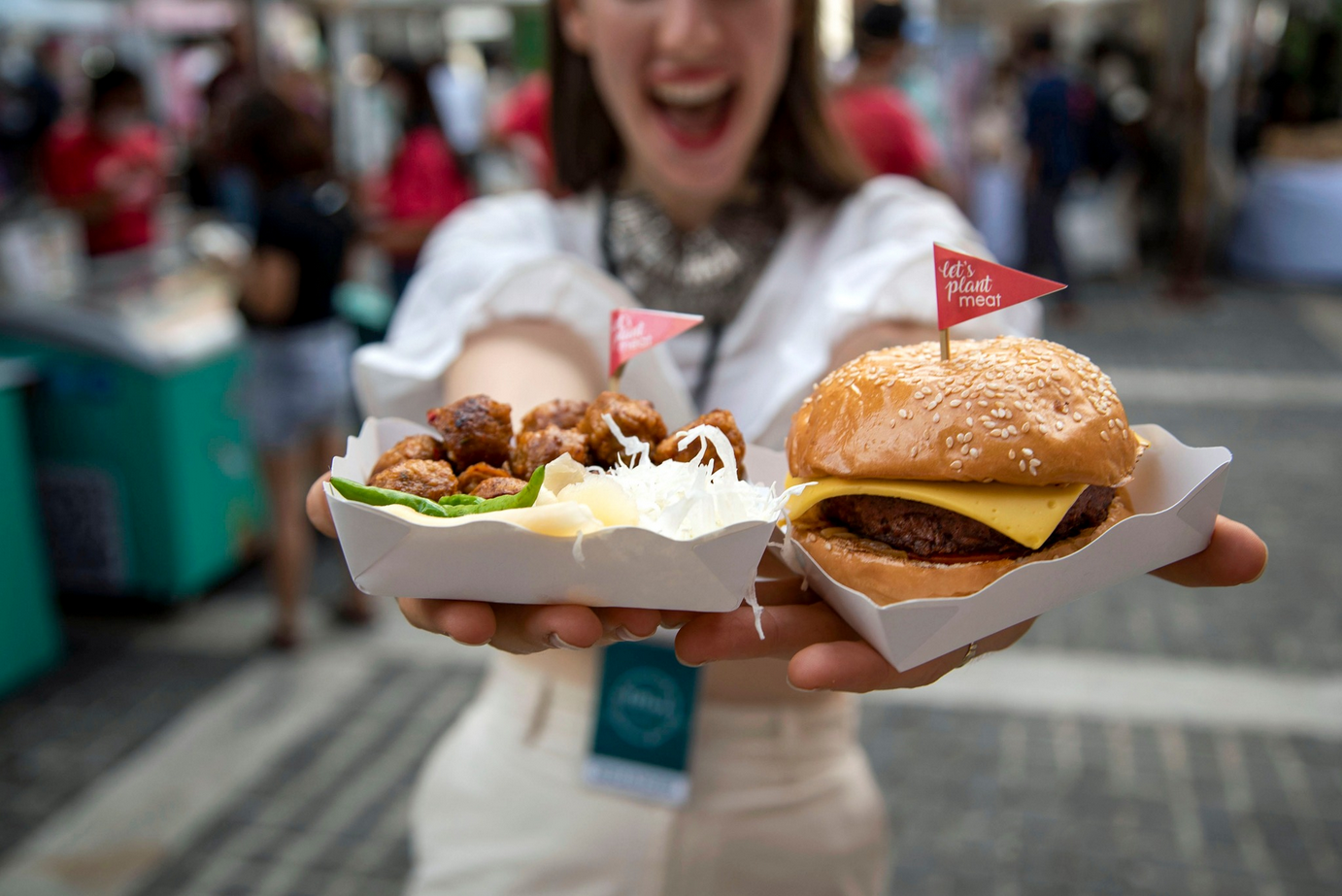
Last week, Licious, a retailer specializing in meat and seafood, expanded its product offerings to include “mock” chicken and mutton under the new brand ‘UnCrave.’ Additionally, cricketer M S Dhoni invested in plant-based meat startup Shaka Harry, while Beyond Meat, based in California and a global pioneer in the industry, partnered with Allana Group, India’s largest buffalo meat exporter, to distribute its products in the country.
Actor couple Riteish and Genelia Deshmukh founded Imagine Meats, a plant-based venture, in September 2021. In February of the current year, Blue Tribe, another alternative protein startup, secured investments and endorsements from former Indian cricket captain Virat Kohli and his wife Anushka Sharma.
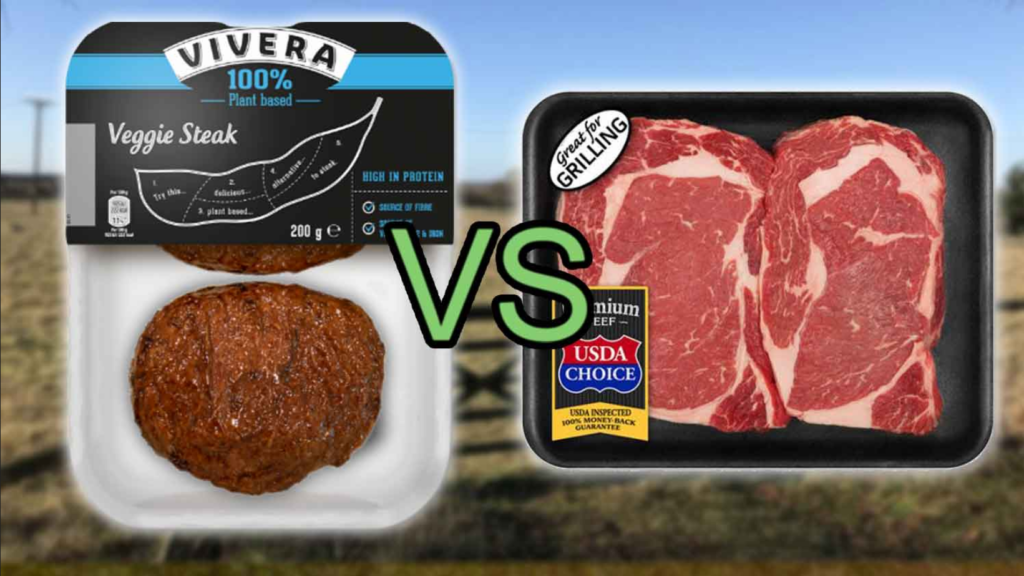
The rising trend of plant-based meat has garnered celebrity endorsements, such as Kim Kardashian serving as the “chief taste consultant” for Beyond Meat.
The term “plant-based” refers to products that mimic or replicate the look, smell, and taste of meat, seafood, eggs, and milk derived from animals.
Shaka Harry offers products like mutton samosas, chicken nuggets, momos, and fries that closely resemble their meat counterparts. Beyond Meat’s patties, using coconut oil to emulate the texture of beef fat, even release a beetroot juice-based liquid that mimics “bleeding” as they cook.
Plant-based dairy includes alternatives like ice cream, with oat milk considered one of the closest substitutes in taste and texture. Oat milk, produced by companies like Oatly and Alt Co., uses oats, almond, soybean, coconut, and rice as primary ingredients.
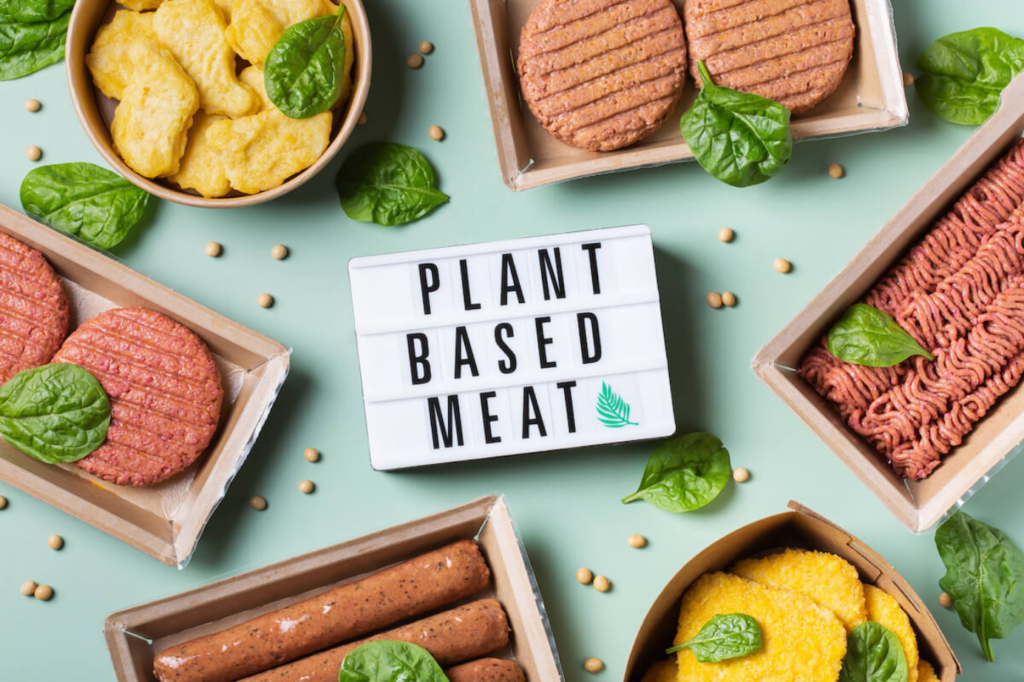
The production process involves finding plant-based analogues for the protein, fat, vitamins, minerals, and water found in animal meat. Challenges arise in replicating the unique texture of animal muscle tissue.
The plant-based food industry is growing, with retail sales of plant-based animal product alternatives in the US reaching $7.4 billion in 2021. Major categories include plant-based milk, meat, creamer, ice cream, yogurt, cheese, butter, ready-to-drink beverages, meals, and protein liquids, powders, and bars.
Despite growth, the industry hasn’t fully met initial expectations. Companies like Beyond Meat experienced a significant rise in stock prices after their initial public offerings but have since seen a decline.
In India, there may be limited potential for plant-based dairy, as milk remains a preferred “superior food” for most Indians. Plant-based meats also face challenges, with skeptics questioning their ability to compete with real meat in terms of nutrition, taste, and affordability.
Some experts believe that plant-based meats may have a niche market in India, primarily appealing to a small percentage of consumers. The country’s significant vegetarian population may not be the target market for such products, with a focus on convincing meat eaters to incorporate plant-based alternatives into their diets.
