
Are you a vegetarian, a non-vegetarian, or perhaps a fruitarian? Let’s examine the structure of the human body to gain insights. Our digestive systems lack the anatomical adaptations of herbivores like deer, cows, and rabbits, who have specialized mechanisms for digesting low-calorie plants. On the other hand, we don’t possess the jaws, teeth, and claws of true predators like lions and tigers, making it impractical for humans to hunt and kill animals without tools.
To answer the question of our dietary inclinations, it’s insightful to observe our closest relatives, the great apes—orangutans, chimpanzees, and gorillas. These primates primarily consume fruits and roots, obtaining over 90% of their calories from plant foods, mostly ripe fruits. While chimpanzees occasionally hunt small mammals and insects, they, like us, lack specialized mechanisms for digesting green leaves and plants.

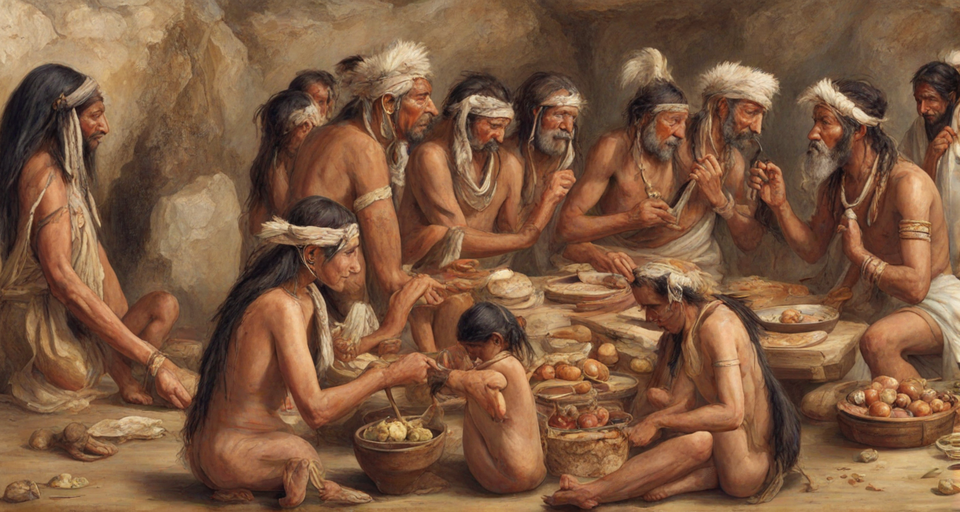
The shift towards a more diverse diet, including meat, occurred as pre-humans adapted to the changing landscape from lush jungles to open grasslands in Africa. The transition forced our ancestors to explore alternative food sources, such as the abundant grazing animals like deer in the now grass-rich African savannah. The development of larger, complex brains facilitated the creation of stone tools and the control of fire, enabling the capture and cooking of both animal and plant foods.
The use of fire had significant advantages, acting like an external stomach through the process of cooking, reducing digestion time, and expanding the range of consumable foods. Notably, it freed up considerable time for humans, allowing for leisure activities and contemplation.
The introduction of fire even influenced changes in our bodies, with smaller jaws and molars evolving due to decreased chewing requirements. Evidence suggests that Homo Erectus, and possibly even Homo Habilis, were cooking their food over two million years ago.
In the context of ancient India, where 25% of the population is vegetarian according to census data, the mainstream adoption of vegetarianism is a unique cultural feature. Despite the historical prevalence of meat consumption in India’s lush and forested landscape, ancient Jains, particularly their apostle Mahavira, advocated an extreme form of non-violence, including an elaborate vegetarian code. Over time, vegetarianism gained popularity among Hindus, especially in Brahmin and trading communities, intertwined with the principle of non-violence—a gift from Jainism to the world.
In a land as abundant as India, where a vegetarian diet was sustainable due to the immense availability of plants, the idea of abstaining from animal foods became deeply rooted in ancient times.
